Children's Support Service
British Values
British Values Statement
Our Commitment to British Values
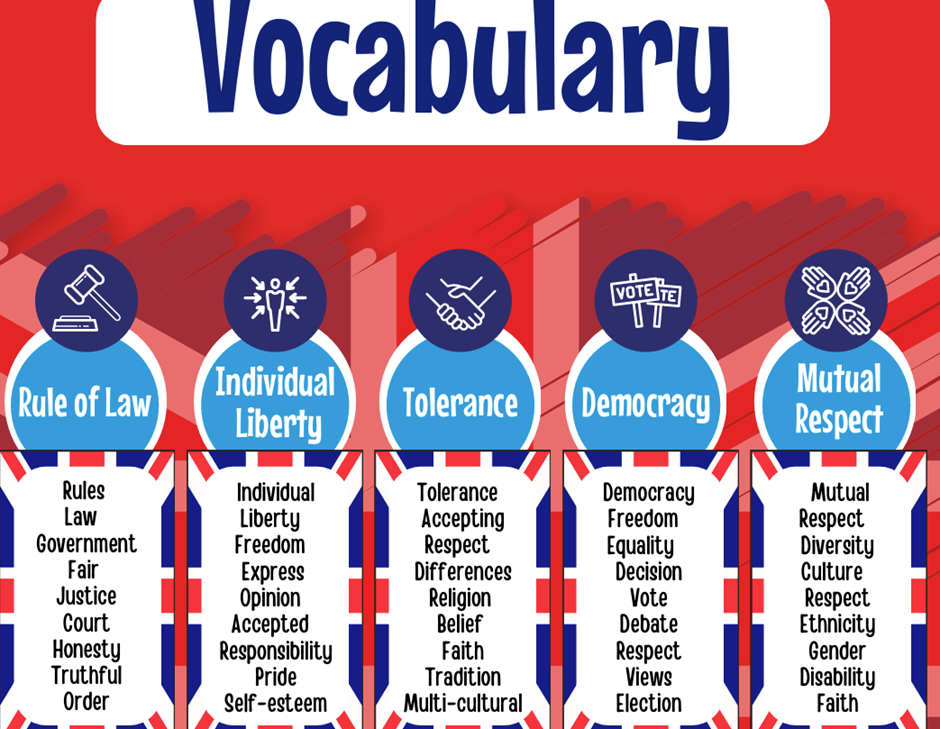
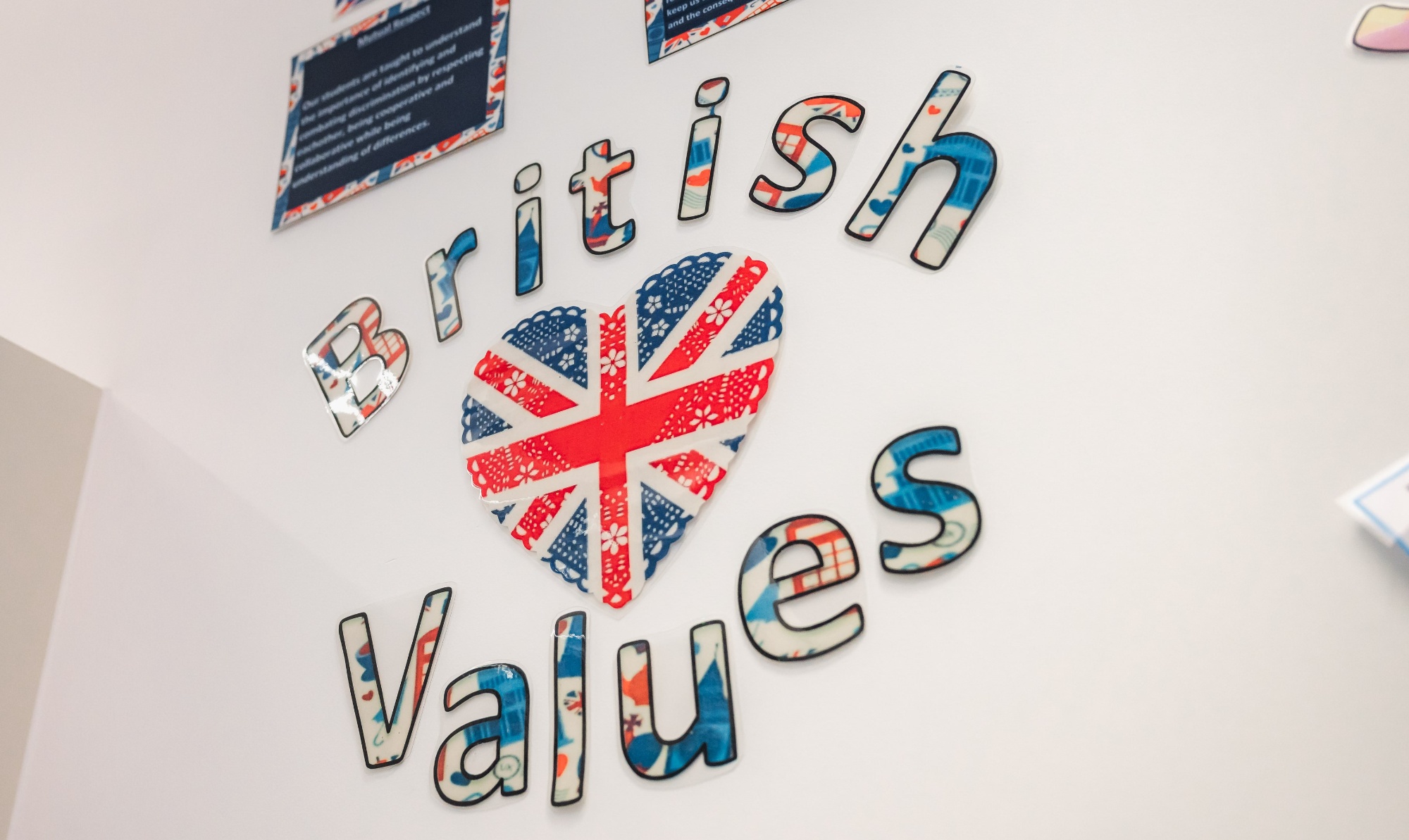
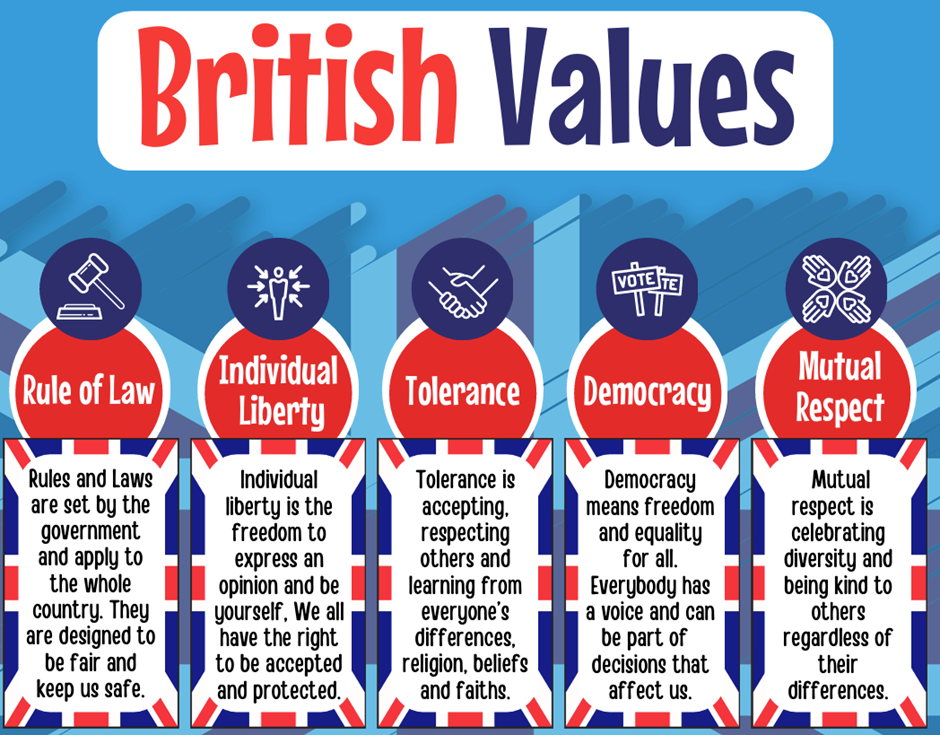
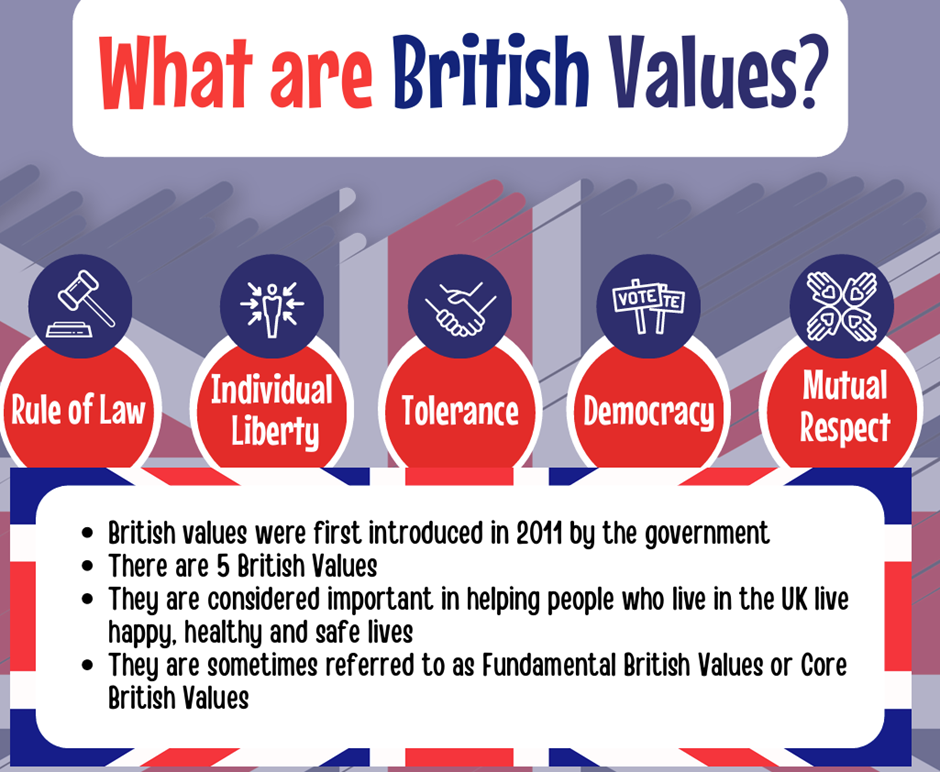
At Children's Support Service, we are committed to actively promoting the fundamental British values of democracy, the rule of law, individual liberty, and mutual respect and tolerance of those with different faiths and beliefs. These values are defined by the DfE and form part of our provision for the spiritual, moral, social and cultural (SMSC) development of our pupils.
We take a holistic approach wherever possible. Many of the British values aren't easily taught – they come from the culture of the school and need to be lived through our ethos and values. While it's good practice to look for ways to include British values in our curriculum, we take a holistic approach wherever possible, rather than just focusing on individual subjects.
Our British values statement reflects our commitment to preparing pupils to be respectful, responsible citizens who understand their rights and responsibilities in modern Britain.
What British Values mean for children at each key stage
Key Stage 1 (Ages 5-7)
At Key Stage 1, we introduce British values through age-appropriate experiences that help children understand fairness, kindness and respect:
Democracy
- Children learn to take turns and share
- They participate in simple voting activities (e.g., choosing a story or game)
- They begin to understand that everyone's voice matters
- They learn that we can make choices together as a class
The Rule of Law
- Children understand that we have rules to keep everyone safe and happy
- They learn about classroom rules and why we follow them
- They begin to recognise the difference between right and wrong
- They understand that rules apply to everyone, including adults
Individual Liberty
- Children learn that they can make choices about their learning and play
- They understand that they have the right to feel safe
- They begin to recognise their own preferences and interests
- They learn that it's okay to be different
Mutual Respect and Tolerance
- Children learn to be kind to others and treat everyone fairly
- They celebrate differences in their class and families
- They learn about different celebrations and traditions
- They understand that everyone deserves to be treated with kindness, regardless of differences
Key Stage 2 (Ages 7-11)
At Key Stage 2, we deepen children's understanding of British values and help them apply these in more complex situations:
Democracy
- Pupils participate in school council elections and understand the voting process
- They engage in class debates and learn to respect different viewpoints
- They understand how decisions are made democratically in school
- They learn about local and national democracy in an age-appropriate way
- They participate in pupil voice activities and surveys
The Rule of Law
- Pupils understand why laws exist and how they protect us
- They learn about consequences and taking responsibility for their actions
- They understand the role of the police and other authorities
- They analyse events in UK and world history where British values have been tested, such as both world wars
- They understand that laws apply equally to everyone
Individual Liberty
- Pupils make informed choices about their learning and behaviour
- They understand their rights and freedoms (e.g., freedom of speech, freedom of belief)
- They learn to exercise their rights safely and responsibly, including online
- They develop confidence to express their views respectfully
- They understand that with freedom comes responsibility
Mutual Respect and Tolerance
- Pupils learn about different faiths, cultures and beliefs in depth
- They challenge stereotypes and discrimination
- They understand the protected characteristics under the Equality Act
- They learn to disagree respectfully and consider different perspectives
- They celebrate diversity within their school and wider community
- They understand that bullying or disrespectful behaviour is never acceptable
Key Stage 3 (Ages 11-14)
At Key Stage 3, we build on pupils' understanding and encourage critical thinking about British values in contemporary society:
Democracy
- Pupils participate in democracy through voting in elections for student councils, and participating in class debates and surveys
- They explore different democratic systems and their strengths and weaknesses
- They understand the importance of active citizenship and political engagement
- They develop skills in constructing and presenting reasoned arguments
- They learn about their rights and responsibilities as citizens in a democratic society
The Rule of Law
- Pupils develop a sophisticated understanding of the legal system and how it protects individual rights
- They explore the relationship between laws, ethics and morality
- They understand the consequences of breaking laws and the justice system
- They examine how laws evolve to reflect changing societal values
- They recognise the importance of holding those in authority to account
Individual Liberty
- Pupils exercise their personal freedoms whilst respecting the rights of others
- They learn about healthy and respectful relationships, boundaries, consent and kindness in relationships, stereotyping, prejudice and equality, and how to recognise and report concerns about an abusive relationship, including coercive and controlling behaviour
- They understand online safety and how to exercise their liberty responsibly in digital spaces
- They develop confidence to challenge injustice and stand up for their beliefs
- They make informed choices about their education, career pathways and personal development
Mutual Respect and Tolerance
- Pupils learn through Relationships and Sex Education (RSE) and Health Education, with topics tailored to their specific needs and vulnerabilities
- They learn about the concepts of, and laws relating to, all forms of sexual harassment and abuse, and how to access support, and what constitutes sexual harassment and sexual violence and why these are always unacceptable
- They engage in debate and critical thinking by creating safe spaces for discussing issues, and fostering respect for different perspectives
- They challenge discrimination in all its forms, including racism, sexism, homophobia and religious intolerance
- They develop understanding in a culture of zero tolerance for sexism, misogyny/misandry, homophobia, biphobic and sexual violence/harassment
Key Stage 4 (Ages 14-16)
At Key Stage 4, we prepare pupils to be active, informed citizens ready to contribute positively to society:
Democracy
- Pupils develop a mature understanding of democratic processes at local, national and international levels
- They critically evaluate political systems, policies and current affairs
- They understand the role of the media, social media and public opinion in democracy
- They participate meaningfully in school governance and decision-making
- They prepare for their role as voters and active citizens beyond school
The Rule of Law
- Pupils understand the complexity of legal and ethical issues in modern society
- They explore human rights legislation and its application
- They understand the balance between individual freedoms and collective security
- They recognise the importance of the rule of law in protecting vulnerable groups
- They develop skills in legal reasoning and ethical decision-making
Individual Liberty
- Pupils make informed decisions about their future education, training and career paths
- They learn about consent, healthy relationships, body confidence and self-esteem, and how to recognise and report concerns about abusive relationships
- They understand their rights and responsibilities in the workplace and wider society
- They develop resilience and the ability to navigate complex moral and ethical dilemmas
- They exercise their freedom of expression whilst respecting others' rights
Mutual respect and tolerance
- Pupils receive Relationships and Sex Education (RSE) and Health Education tailored to their needs
- They understand all forms of sexual harassment and abuse, and why these are always unacceptable, emphasising that it is never the fault of the person experiencing it
- They challenge prejudice and discrimination in all forms
- They understand and celebrate diversity in modern Britain
- They are prepared for life in modern Britain through a whole-school approach that creates a culture of zero tolerance for sexism, misogyny/misandry, homophobia, biphobic and sexual violence/harassment.
- They develop as global citizens who respect and value different cultures, faiths and beliefs
How do we explore British Values across the curriculum?
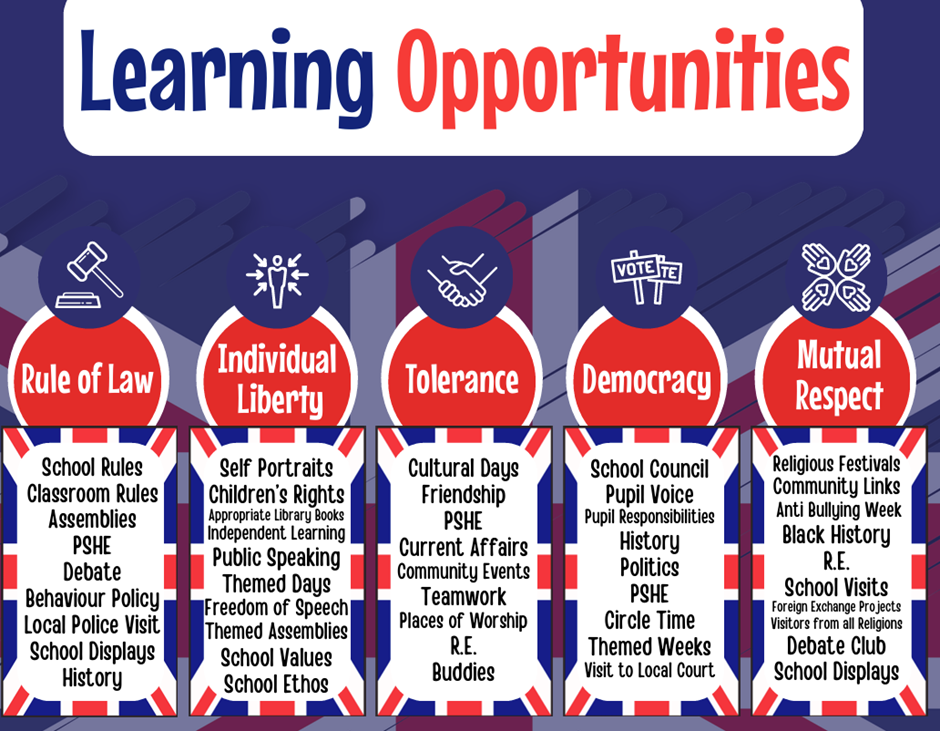
We embed British values across our curriculum subjects, including:
- English: Through books that teach themes of tolerance, mutual respect and democracy, and stories from other cultures to discuss diversity and discrimination
- History: By analysing events where British values have been tested
- Geography: By exploring how different cultures live and work throughout the world
- Religious Education: Through lessons that reinforce messages of tolerance and respect, visits to places of worship, and celebrations of different faiths
- Citizenship: By teaching about personal rights and freedoms, different models of democracy, discrimination and diversity, and participating in votes and pupil voice activities
- PSHE: By looking at mutual respect in the context of family, friendship and romantic relationships
Monitoring and Review
Ofsted inspects our teaching of British values under the personal development and wellbeing evaluation area, considering how we develop and deepen pupils' understanding of fundamental British values and whether we give pupils 'meaningful opportunities' to do so.
We regularly review our approach to promoting British values through staff discussions, pupil voice, and monitoring of our curriculum and school culture to ensure these values remain central to everything we do.
British Values
What are British Values?
Learning Opportunities
Websites
Vocabulary